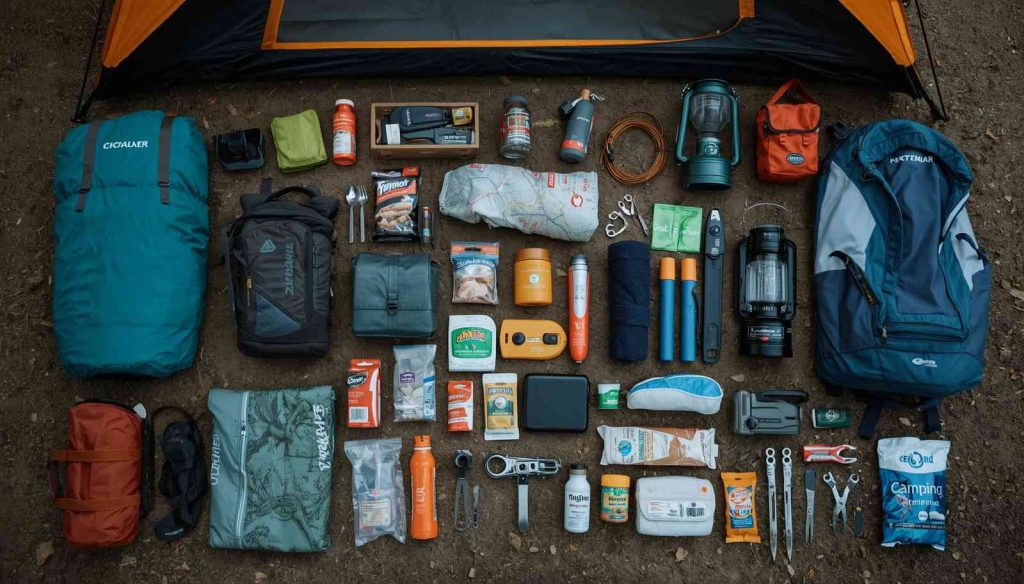
The Summer Camping Packing List (What Changes When It’s Hot)

This post contains affiliate links. We may earn a small commission at no extra cost to you. We only recommend gear we’d actually use.

Reading Time: 4 minutes

The standard car camping list works year-round as a foundation. But summer camping — especially in the South and Southeast — has a specific set of challenges that the base list doesn’t fully address. Heat, humidity, afternoon thunderstorms, and bugs that mean business.

This list covers what changes in summer. Start with the core packing list, then add or swap these items before a summer trip.

What’s Different About Summer Camping

🌡️ Heat Management

Sleeping is the hardest part of summer camping. A tent that works great in fall becomes a sauna by July. Ventilation matters more than insulation.

🦟 Bug Defense

Mosquitoes, biting flies, and no-see-ums peak in summer. DEET is your best tool — the naturals work fine for mild conditions but not a Florida evening in July.

⚡ Afternoon Storms

In the Southeast especially, afternoon thunderstorms are routine from June through September. Plan around them and gear up for them rather than hoping they miss you.

💧 Hydration

You need significantly more water in summer than the standard estimate. Kids especially get dehydrated fast when they’re active outside in heat.

The Summer Additions

🌡️ Heat & Sleep
A sleeping bag liner instead of a full bag In summer heat, a liner alone is often enough. Lighter, more breathable, and takes up far less space.
Battery-powered clip fan for the tent Game-changer for sleeping in summer. Even a small fan creates enough airflow to make a hot tent tolerable.
Tent with maximum mesh panels If you’re buying a tent specifically for summer camping, prioritize mesh over solid fabric walls for airflow.
A reflective tarp or shade canopy for the site Shade over your tent during the day keeps the interior from becoming an oven before you go to bed.
🦟 Bug Defense
DEET bug spray — 30% or higher Picaridin is a good DEET-free alternative that’s less greasy and doesn’t damage gear. Either works in summer conditions.
Head net for no-see-ums and gnats Especially if you’re camping near water or in the Southeast. They’re cheap, pack flat, and worth their weight at dusk.
Permethrin-treated clothing or spray Pre-treating your camp clothes with permethrin adds a layer of protection that lasts through multiple washes.
Anti-itch cream or hydrocortisone For the ones that got through anyway. Benadryl gel works fast on bad bites.
☀️ Sun & Heat Safety
SPF 50 sunscreen — more than you think you’ll use Bring a full-size bottle. Summer camping means hours of sun exposure. Reapply every 2 hours if you’re near water or sweating.
Wide-brim sun hat A baseball cap covers your face. A wide brim covers your neck and ears too — the spots most people burn.
Extra water — significantly more than usual Plan 1 liter per person per hour of activity in heat. The campground tap supplements but doesn’t replace what you should bring.
Electrolyte packets Sweating in heat depletes electrolytes, not just fluids. Liquid IV or similar packs small and makes a real difference on hot days.
⚡ Storm Prep
A tarp pre-rigged over your kitchen area In summer, set this up first thing when you arrive — before you need it. Rigging a tarp in a storm is miserable.
Waterproof bags or dry sacks for electronics A sudden summer storm can soak your camp in minutes. Your phone, battery pack, and headlamps should stay dry regardless.
A weather app with storm alerts enabled Download the NOAA Weather app before you leave. In areas with spotty service, check the forecast when you still have signal.
👕 Clothing Swaps for Summer Replace, don’t add
Swap heavy layers for lightweight long sleeves Thin, light-colored, UPF-rated long sleeves protect from sun and bugs better than a t-shirt without making you hotter.
Water shoes over hiking boots In summer near water, water shoes get more use than trail runners. Pack both if you’re planning to hike.
A lightweight rain jacket — always A 5-minute summer storm can soak you to the skin. Even a cheap packable rain jacket makes a huge difference.

What to Leave Out in Summer

🚷 Skip These in Summer

  • A heavy sleeping bag. A liner or a lightweight blanket is enough in most summer conditions below the Mason-Dixon line.
  • Fleece and heavy mid-layers. A light hoodie is plenty for the rare cool summer night. Save pack space.
  • Dark-colored tent footprint. In summer sun, dark surfaces absorb heat. A lighter-colored tarp underneath reflects more.

Summer Camping Tips Worth Knowing

  • 🔥Cook before the afternoon storm window. In the Southeast, thunderstorms typically hit between 2–6pm. Have lunch early, cook dinner after 7pm when storms have usually passed.
  • ☀️Set up camp in the shade. Even 20 feet of extra walking distance to a shady site is worth it in July. A shaded tent stays 10–15 degrees cooler during the day.
  • 🔆Keep the rainfly off until you need it. In hot, clear weather, removing the rainfly dramatically improves airflow through the tent mesh. Put it back on before bed if storms are in the forecast.
  • 🥊Keep a cooler specifically for drinks. One cooler for food, one cheap one for drinks means you’re not opening the food cooler every 20 minutes, which kills ice retention fast in summer heat.

Summer camping in the South is genuinely great — just different. Adapt your kit for heat and bugs rather than cold, and the evenings around the fire are some of the best you’ll have.

🌡️ Camping near Tampa this summer? See our Hillsborough River State Park review — it’s the best camping closest to home.

More from Gone Campin'

Family Camping Packing List With Kids (Beyond the Basics)

A complete packing list for family camping trips with kids — the extras beyond the basics that make camping with

The Car Camping Packing List That Actually Fits in Your Car

Reading Time: 5 minutesEvery camping trip starts the same

The Ultimate First-Time Camper’s Guide

Reading Time: 5 minutesLet me say this right up